
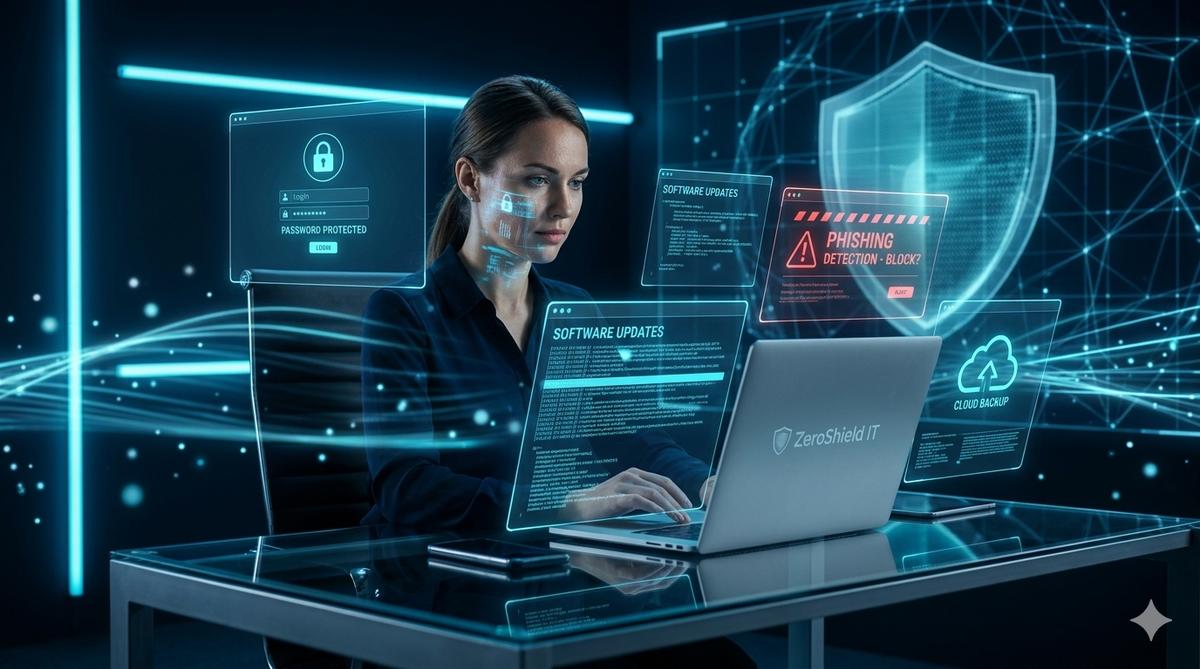
5 Essential Online Safety Tips to Protect Your Accounts and Personal Data
Cyber threats are becoming increasingly common, affecting individuals, families, and businesses of all sizes. From phishing scams and malware infections to stolen passwords and ransomware attacks, cybercriminals are constantly looking for opportunities to gain access to sensitive information.
The good news is that staying safe online does not require advanced technical knowledge. By following a few simple cybersecurity best practices, you can significantly reduce your risk and better protect your personal data, devices, and online accounts.
1. Manage Notifications and App Permissions Carefully
Many mobile applications and websites constantly send notifications, request permissions, and encourage users to click links or open content. While not all notifications are dangerous, excessive alerts can make it easier to overlook suspicious activity.
If you're also managing multiple devices in a business environment, these risks are even higher. Learn more about structured protection in our cybersecurity solutions for businesses .
2. Use Strong and Unique Passwords
Using the same password across multiple accounts is one of the most common cybersecurity mistakes. If one account is compromised, attackers may attempt to reuse credentials across services.
This is one of the same risks covered in our guide on small business cybersecurity basics .
3. Keep Your Devices and Software Updated
Software updates are not just about new features. Most updates contain security patches that fix vulnerabilities discovered by vendors and researchers.
In business environments, outdated systems can also lead to downtime issues similar to those explained in our article on predictive IT maintenance .
4. Learn How to Identify Phishing Scams
Phishing attacks remain one of the most successful methods used by cybercriminals. These scams typically arrive through email, text messages, or social media.
If phishing succeeds, it often leads to ransomware infections and data loss. You can learn more about these risks in our guide:
Why Ransomware Is a Real Threat to Small Businesses
5. Back Up Your Data Regularly
Regular backups are one of the most effective defenses against ransomware attacks, hardware failures, and accidental deletion.
A proper backup strategy is essential for both individuals and businesses. We explain this in detail in:
Hybrid Backup Strategies & the 3-2-1 Backup Rule
Why Online Safety Matters
Cybersecurity is not just an issue for large organizations. Individuals and small businesses are frequently targeted because attackers often assume they have weaker security measures in place.
Many of these risks are interconnected with business infrastructure failures and can be reduced through proper IT planning.
Final Thoughts
Online security starts with simple habits. Strong passwords, regular software updates, phishing awareness, and reliable backups can dramatically reduce your exposure to cyber threats.
By taking a few minutes to implement these cybersecurity best practices today, you can better protect your personal information, devices, and online accounts.
Need Help Improving Your Cybersecurity?
At ZeroShield IT, we help individuals and businesses strengthen their cybersecurity, improve data protection, and reduce their risk of cyberattacks.
Contact us through our contact page to learn more about cybersecurity assessments, backup solutions, and IT security services.
0 Comments
Leave a Comment
No comments yet. Be the first to share your thoughts!