
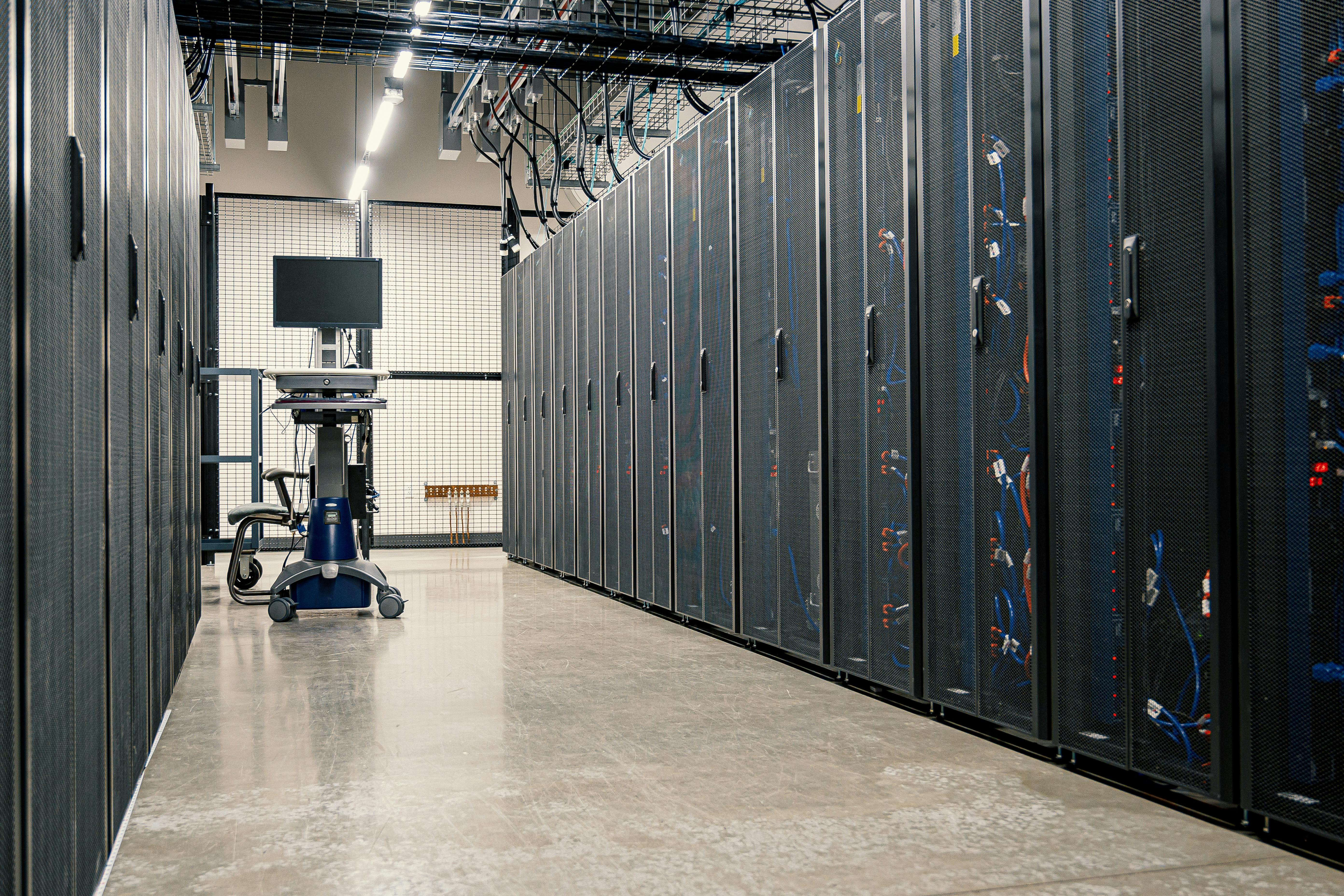
Secure cloud infrastructure, migration, hosting and hybrid-cloud support for businesses in Lebanon.
Cloud Infrastructure Services for Businesses
Cloud infrastructure allows a business to run selected servers, applications, storage, backups, or supporting systems in hosted environments instead of relying only on equipment at one office. The right design may be fully hosted, remain primarily on-premises, or combine both approaches.
ZeroShield IT helps businesses assess where workloads should run, plan hybrid infrastructure, prepare migrations, and support cloud-hosted resources. This service is platform-neutral: it focuses on architecture, workload placement, connectivity, security, recovery, and operations rather than treating every cloud requirement as an Azure or Microsoft 365 project.
Cloud Assessment and Planning
A cloud decision should begin with how the business works and what each workload requires. Moving an unsuitable system can increase complexity or cost instead of improving operations. An assessment can consider:
- Existing infrastructure: Servers, virtual machines, storage, networks, internet connections, and current hosting arrangements.
- Applications and workloads: Performance, operating-system, database, integration, licensing, and user-access requirements.
- Storage and data: Capacity, growth, access patterns, retention, transfer, and recovery needs.
- Connectivity: Internet reliability, remote access, office locations, VPN requirements, and dependencies between local and hosted systems.
- Security: Accounts, administrative access, network boundaries, encryption options, logging, and shared responsibilities.
- Business continuity: Backups, recovery priorities, acceptable disruption, and what happens when connectivity or a hosted workload is unavailable.
- Growth and change: Expected users, locations, data, capacity, and application changes.
- Cost considerations: Current infrastructure costs, expected consumption, migration effort, support, licensing, backup, and network requirements.
Cloud and Hybrid Infrastructure
Moving everything at once is not always necessary or appropriate. Hybrid infrastructure allows a business to keep suitable systems on-premises while using hosted resources for selected workloads, storage, backup, remote access, or future capacity.
Common scenarios include:
- Keeping an existing local server while moving selected applications or supporting services to hosted infrastructure.
- Using cloud or offsite storage as part of a wider backup and disaster recovery plan.
- Hosting a workload that must be available to employees in different locations.
- Connecting distributed offices to shared hosted resources.
- Using virtualization to separate supported workloads and simplify capacity planning.
- Migrating gradually as existing equipment, applications, or contracts reach appropriate transition points.
Cloud Migration
- 1. Assessment: Review the current environment, business goals, operational constraints, and reasons for considering cloud infrastructure.
- 2. Workload categorization: Identify what may move, what should remain local, what can be retired, and what needs further investigation.
- 3. Dependency analysis: Map application, database, storage, network, identity, user, and backup dependencies.
- 4. Target architecture: Define where workloads will run and how access, networking, storage, monitoring, and recovery should work.
- 5. Migration planning: Agree the sequence, responsibilities, testing, data-transfer approach, expected disruption, and rollback considerations.
- 6. Testing: Validate the proposed environment or selected workloads where testing is possible before final cutover.
- 7. Cutover: Move the approved workload and apply planned access or network changes.
- 8. Validation: Confirm workload operation, user access, connectivity, monitoring, backups, and required dependencies.
Migration impact depends on the workload, data, architecture, and available testing options. Zero downtime is not assumed or guaranteed.
Cloud Security Considerations
Using hosted infrastructure does not transfer every security responsibility to the hosting provider. The business and its IT administrators remain responsible for areas such as accounts, permissions, configuration, workload security, data protection, and appropriate monitoring.
- Protect administrative accounts and limit access according to operational needs.
- Separate networks, workloads, or environments where the architecture requires segmentation.
- Use encryption options where appropriate and supported.
- Plan backups and recovery independently from assumptions about platform availability.
- Review relevant logs and alerts within the agreed operational scope.
- Maintain supported systems and applications running inside the hosted environment.
Cloud configuration is one part of security. Broader identity, endpoint, network, user, and risk requirements can be addressed through cybersecurity services.
Cloud Operations and Support
Cloud infrastructure still needs operational management after deployment. Depending on the agreed scope, support can include troubleshooting, resource or configuration changes, alert review, backup coordination, performance and capacity review, access changes, documentation, and assistance when applications or users cannot reach a hosted workload.
Responsibilities should be documented because the hosting platform, operating system, application, network, backup, and user environment may be managed by different parties.
Cloud vs Azure vs Microsoft 365
General cloud services address architecture, workload placement, hosting, virtualization, hybrid infrastructure, migration strategy, and cross-platform operational planning.
Azure is Microsoft's infrastructure cloud. Azure-specific subscriptions, virtual machines, networking, workload migration, governance, and operations are covered by our Azure support and migration service.
Microsoft 365 provides email, productivity, collaboration, and user-facing services such as Exchange Online, Teams, SharePoint, and OneDrive. Those needs are covered by Microsoft 365 support.
Discuss Your Cloud Infrastructure
Tell us which systems you currently run, what problem you are trying to solve, and whether you expect to keep any infrastructure on-premises. Contact ZeroShield IT to discuss a platform-neutral cloud assessment or migration plan.
Questions & answers
Frequently Asked Questions About Cloud Services & Infrastructure
Frequently Asked Questions
What is hybrid cloud?
Hybrid cloud combines on-premises infrastructure with selected hosted resources. A business might retain a local server while using hosted workloads, offsite storage, backup, or remote-access services. The design depends on application, connectivity, security, and recovery requirements.
Do we need to move everything to the cloud?
No. Some workloads may be suitable for hosting, while others should remain local because of application, performance, licensing, data, connectivity, or operational requirements. A phased or hybrid approach is often more appropriate than moving everything at once.
Can cloud services work with our existing servers?
Yes, where the applications, network, identity, and connectivity support a hybrid design. Existing servers can remain in use while selected workloads, storage, backup, or supporting services move to hosted infrastructure.
How do you decide what should move to the cloud?
We assess the business objective, workload requirements, dependencies, data, performance, user access, security, recovery, connectivity, migration effort, and ongoing cost before recommending where a system should run.
Do you provide ongoing cloud support?
Yes. An agreed scope can include troubleshooting, resource changes, relevant monitoring, backup coordination, capacity review, access changes, documentation, and operational assistance for supported hosted workloads.
Is cloud backup the same as cloud infrastructure?
No. Cloud backup stores protected recovery copies of data or systems. Cloud infrastructure hosts active workloads, storage, networking, or applications. Backup may be part of an infrastructure design, but it has a separate recovery purpose and should be planned accordingly.
Need help securing your business?
We help businesses protect their systems, data, and networks.
Contact us on WhatsApp